
온도조절기 15 Best Pinterest Boards Of All Time About Railroad Injuries Lawsuit
페이지 정보

본문
Are Railroad Injuries Legal?
The railroad industry is among the most dangerous industries to work in. Railroad workers face long hours, physical work and hazardous working conditions.
If you've been injured working for the railroad, it's important to have an attorney who can help you pursue compensation. This is particularly true when the accident resulted from an infraction to safety by the company.
FELA
If you've been injured as a railroad worker, you are covered under a unique federal law called the FELA. Railroad companies are subject to strict liability if they fail to provide safe working conditions to their employees.
The FELA is similar to the FELA in that it covers all occupational injury or illness that is caused by work. However, unlike state workers' compensation, it doesn't limit the amount of damages you can get for disfigurement, pain and suffering permanent injury, lost wages or economic loss.
FELA is also more stringent than state workers' compensation in that it requires evidence of negligence on part of railroad companies. This makes it a tense kind of lawsuit. Moreover, the railroads will probably try to show that you weren't in any way responsible, even if they were negligent.
A seasoned attorney is required to help you submit a FELA claim. The best chance of receiving the maximum compensation if you speak with an experienced railroad injury lawyer as soon as you can.
You must show that the railroad was negligent, creating your accident or aggravating an already existing problem in the FELA case. This can be accomplished in a variety of ways.
Inattention to safety rules is one of the most frequent ways that railroad employees can be found negligent. This can include not adhering to safety guidelines or using unsafe equipment, pressure to work too hard or fast, and not receiving the correct training or providing a safe place to work.
Infraction of the safety standards for minimum safety set by the federal government is a different way railroad employers can be found negligent. These standards cover everything from the design of railroad vehicles to their maintenance and repair.
The Federal Employers Liability Act also allows you to bring a lawsuit for your personal injuries. This means that you can claim compensation from the rail company you were employed by, as well as other parties that may have been negligent in causing your injuries.
FELA claims can be very sensitive and it is important that you consult an attorney as quickly as possible. This is due to the fact that the railroad may utilize a variety of forms to gather information from you that can be used to thwart or limit your claim.
BIA
The BIA requires railroad operators to ensure that their tenders and Train Crash Compensation locomotives are safe for use. This law is designed to safeguard the public from the dangers that railroads could cause. It also imposes a strict liability on carriers when an employee is injured as a result of an BIA violation.
The most frequent BIA violations are those that fail to keep the tender and locomotive free of dangerous tripping hazards such as spilled oil grease loose train components and tools, and spilled liquids or ice. Additionally, the BIA demands that all the equipment of the locomotive be maintained so they are in good condition and safe for operation.
However, there are a few railroads that don't adhere to the BIA guidelines. The Burlington Northern Railroad ("the Railroad") was accused of breaking the guidelines of the BIA by putting an the ice box in a hazardous place on its engine cabs. The ice chest was bolted to the floor of the engine, and it was the railroad's responsibility to keep it in good repair so that its workers could safely operate the locomotive.
The BIA did not consider the Vaillancourt ice chest as a "tripping danger". The BIA covers tripping hazards that have a direct connection to work. They could also be linked to railroad job tasks. Vaillancourt's ice box was not bolted to a floor or was an integral part of the locomotive which the railroad was responsible.
In a similar vein, the Fourth Circuit has held that the BIA requires a "luggage grip" to be stored in the correct place on the rail car , so that it is not a cause of injury to the feet when the Train crash compensation is moving at a moderate speed. If an employee is required to assume that role, the grip could include an engineer's manual or a brakeman's tool.
Negligence
Railroad workers frequently suffer catastrophic injuries in on-the-job accidents. Congress passed the Federal Employers' Liability Act (FELA). FELA permits railroad employees who suffer injuries or even death on the job to seek damages from their employers in civil lawsuits.
In order to pursue a claim for negligence you must show that the defendant committed a mistake that was in contrast to what an ordinary person would have done in similar circumstances. For example, you would need to show that the railroad employee negligently violated an safety rule or practice.
Next, you must demonstrate that the error caused your injury. Your lawyer will have to present evidence from witnesses or company documents to support this.
Negligence is a difficult legal concept, especially in the context of a personal injury lawsuit. In this instance the jury or judge will determine whether the defendant's actions were different from what an ordinary, reasonable person would have done under the same circumstances.
This is a far more difficult job than it is for an employer to prove that its employees were negligent at work. It is for this reason that it is imperative to have an experienced and experienced lawyer representing you.
It isn't always easy to determine who is accountable for an employee's injuries in a train crash. Since there are numerous moving parts that could contribute to the accident, it can be difficult to determine who is responsible.
A copy of the accident report is among the most effective ways to determine the extent of liability. This is a formal report that the victim of an accident should complete as soon as possible after being injured. The accident report will include specific details about the incident and how it occurred such as the moment, date, the location, and the type of train involved.
It is crucial to fill out the report correctly, and ensure that all information that may be relevant to your case are included in it. It is essential to ensure that your representative is present when signing the report if you're a member of an organization.
Damages
Railroad employees are able to sue their employers for railroad injuries legal under the Federal Employers Liability Act (FELA). FELA allows injured workers with the right to claim damages for the losses caused by injuries or accidents on the job which include both economic and non-economic compensation.
Damages to the economy can include medical bills, prescriptions, and lost wages due to the injury. These expenses can be challenging for an attorney or lawyer to quantify. An attorney who is experienced in injuries sustained by train accidents may be able to help you determine your damages claim's value.
Non-economic damages are more difficult to calculate but can include emotional distress, loss of consortium, and even disfigurement caused by the injury. Depending on the extent of your injuries, you could also be eligible to claim compensation for loss of enjoyment of life or diminished future earning capacity.
Getting the right amount of damages for your railroad accident requires an extensive investigation by a knowledgeable trial lawyer who can prove that the employer acted negligently. This could mean that they failed to provide a safe working environment, violating safety rules, and performing unsafe duties that put your coworkers in danger.
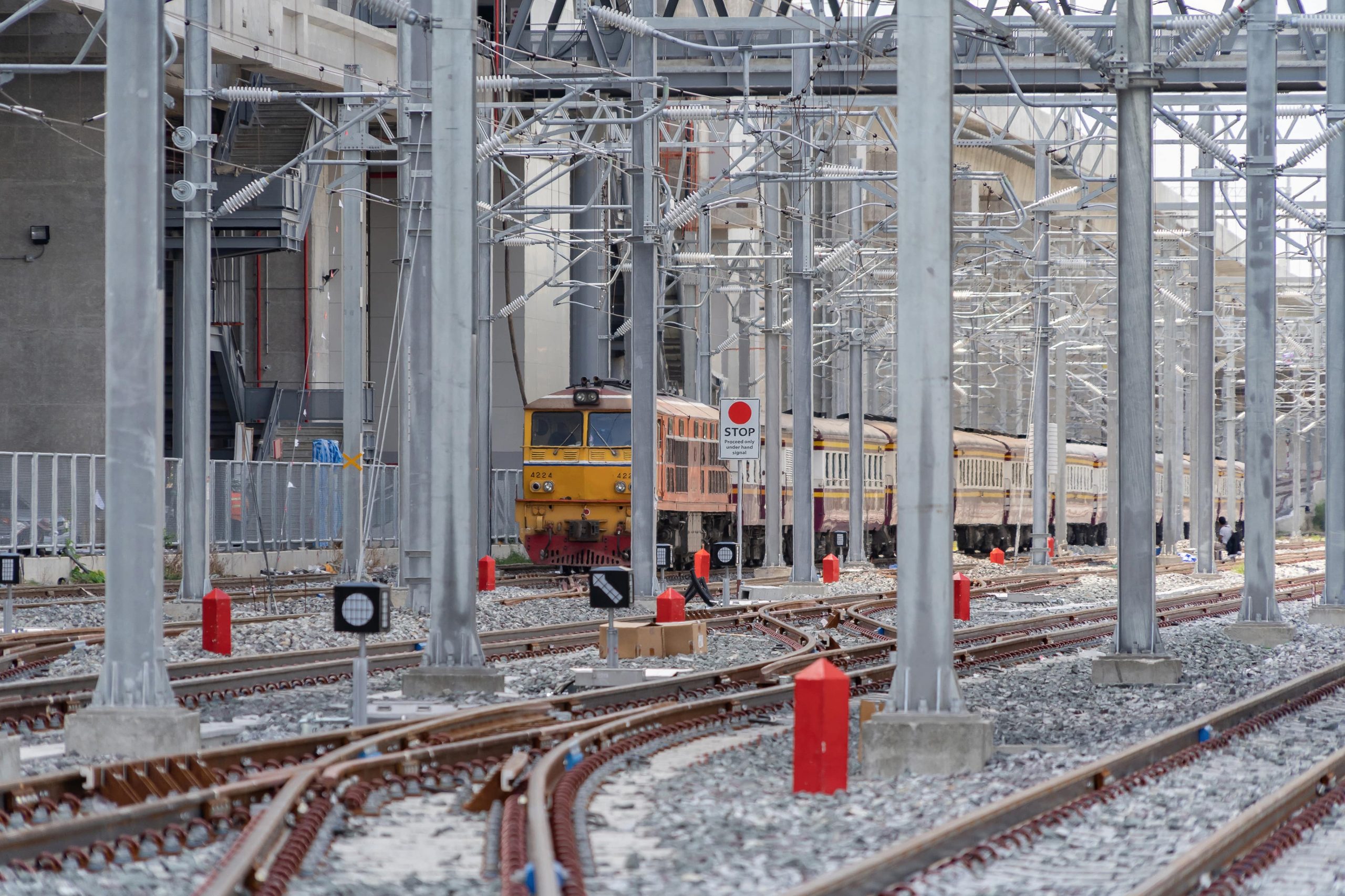 The employer could argue that it put you and your co-workers at risk, or claim that your injuries are the result of other factors, including your own negligence. These arguments are often difficult for employers to overcome. An experienced FELA attorney can help present a thorough investigation and prove the employer's negligence.
railroad accident lawyer questions companies will do everything they can to limit their liability and reduce the value of your FELA case However, they cannot escape their obligation to you to pay reasonable damages. They will make use of any statements and assessments they receive from you to support their claim.
It is crucial to know that FELA cases are subject to a three-year Statute of Limitations. This means that you must file your FELA claim within three years from the date of your injury. Failure to do this can render your claim null and stop you from bringing it up again.
The railroad industry is among the most dangerous industries to work in. Railroad workers face long hours, physical work and hazardous working conditions.
If you've been injured working for the railroad, it's important to have an attorney who can help you pursue compensation. This is particularly true when the accident resulted from an infraction to safety by the company.
FELA
If you've been injured as a railroad worker, you are covered under a unique federal law called the FELA. Railroad companies are subject to strict liability if they fail to provide safe working conditions to their employees.
The FELA is similar to the FELA in that it covers all occupational injury or illness that is caused by work. However, unlike state workers' compensation, it doesn't limit the amount of damages you can get for disfigurement, pain and suffering permanent injury, lost wages or economic loss.
FELA is also more stringent than state workers' compensation in that it requires evidence of negligence on part of railroad companies. This makes it a tense kind of lawsuit. Moreover, the railroads will probably try to show that you weren't in any way responsible, even if they were negligent.
A seasoned attorney is required to help you submit a FELA claim. The best chance of receiving the maximum compensation if you speak with an experienced railroad injury lawyer as soon as you can.
You must show that the railroad was negligent, creating your accident or aggravating an already existing problem in the FELA case. This can be accomplished in a variety of ways.
Inattention to safety rules is one of the most frequent ways that railroad employees can be found negligent. This can include not adhering to safety guidelines or using unsafe equipment, pressure to work too hard or fast, and not receiving the correct training or providing a safe place to work.
Infraction of the safety standards for minimum safety set by the federal government is a different way railroad employers can be found negligent. These standards cover everything from the design of railroad vehicles to their maintenance and repair.
The Federal Employers Liability Act also allows you to bring a lawsuit for your personal injuries. This means that you can claim compensation from the rail company you were employed by, as well as other parties that may have been negligent in causing your injuries.
FELA claims can be very sensitive and it is important that you consult an attorney as quickly as possible. This is due to the fact that the railroad may utilize a variety of forms to gather information from you that can be used to thwart or limit your claim.
BIA
The BIA requires railroad operators to ensure that their tenders and Train Crash Compensation locomotives are safe for use. This law is designed to safeguard the public from the dangers that railroads could cause. It also imposes a strict liability on carriers when an employee is injured as a result of an BIA violation.
The most frequent BIA violations are those that fail to keep the tender and locomotive free of dangerous tripping hazards such as spilled oil grease loose train components and tools, and spilled liquids or ice. Additionally, the BIA demands that all the equipment of the locomotive be maintained so they are in good condition and safe for operation.
However, there are a few railroads that don't adhere to the BIA guidelines. The Burlington Northern Railroad ("the Railroad") was accused of breaking the guidelines of the BIA by putting an the ice box in a hazardous place on its engine cabs. The ice chest was bolted to the floor of the engine, and it was the railroad's responsibility to keep it in good repair so that its workers could safely operate the locomotive.
The BIA did not consider the Vaillancourt ice chest as a "tripping danger". The BIA covers tripping hazards that have a direct connection to work. They could also be linked to railroad job tasks. Vaillancourt's ice box was not bolted to a floor or was an integral part of the locomotive which the railroad was responsible.
In a similar vein, the Fourth Circuit has held that the BIA requires a "luggage grip" to be stored in the correct place on the rail car , so that it is not a cause of injury to the feet when the Train crash compensation is moving at a moderate speed. If an employee is required to assume that role, the grip could include an engineer's manual or a brakeman's tool.
Negligence
Railroad workers frequently suffer catastrophic injuries in on-the-job accidents. Congress passed the Federal Employers' Liability Act (FELA). FELA permits railroad employees who suffer injuries or even death on the job to seek damages from their employers in civil lawsuits.
In order to pursue a claim for negligence you must show that the defendant committed a mistake that was in contrast to what an ordinary person would have done in similar circumstances. For example, you would need to show that the railroad employee negligently violated an safety rule or practice.
Next, you must demonstrate that the error caused your injury. Your lawyer will have to present evidence from witnesses or company documents to support this.
Negligence is a difficult legal concept, especially in the context of a personal injury lawsuit. In this instance the jury or judge will determine whether the defendant's actions were different from what an ordinary, reasonable person would have done under the same circumstances.
This is a far more difficult job than it is for an employer to prove that its employees were negligent at work. It is for this reason that it is imperative to have an experienced and experienced lawyer representing you.
It isn't always easy to determine who is accountable for an employee's injuries in a train crash. Since there are numerous moving parts that could contribute to the accident, it can be difficult to determine who is responsible.
A copy of the accident report is among the most effective ways to determine the extent of liability. This is a formal report that the victim of an accident should complete as soon as possible after being injured. The accident report will include specific details about the incident and how it occurred such as the moment, date, the location, and the type of train involved.
It is crucial to fill out the report correctly, and ensure that all information that may be relevant to your case are included in it. It is essential to ensure that your representative is present when signing the report if you're a member of an organization.
Damages
Railroad employees are able to sue their employers for railroad injuries legal under the Federal Employers Liability Act (FELA). FELA allows injured workers with the right to claim damages for the losses caused by injuries or accidents on the job which include both economic and non-economic compensation.
Damages to the economy can include medical bills, prescriptions, and lost wages due to the injury. These expenses can be challenging for an attorney or lawyer to quantify. An attorney who is experienced in injuries sustained by train accidents may be able to help you determine your damages claim's value.
Non-economic damages are more difficult to calculate but can include emotional distress, loss of consortium, and even disfigurement caused by the injury. Depending on the extent of your injuries, you could also be eligible to claim compensation for loss of enjoyment of life or diminished future earning capacity.
Getting the right amount of damages for your railroad accident requires an extensive investigation by a knowledgeable trial lawyer who can prove that the employer acted negligently. This could mean that they failed to provide a safe working environment, violating safety rules, and performing unsafe duties that put your coworkers in danger.
The employer could argue that it put you and your co-workers at risk, or claim that your injuries are the result of other factors, including your own negligence. These arguments are often difficult for employers to overcome. An experienced FELA attorney can help present a thorough investigation and prove the employer's negligence.railroad accident lawyer questions companies will do everything they can to limit their liability and reduce the value of your FELA case However, they cannot escape their obligation to you to pay reasonable damages. They will make use of any statements and assessments they receive from you to support their claim.
It is crucial to know that FELA cases are subject to a three-year Statute of Limitations. This means that you must file your FELA claim within three years from the date of your injury. Failure to do this can render your claim null and stop you from bringing it up again.
- 이전글Guide To Shop Online Uk Women's Fashion: The Intermediate Guide Towards Shop Online Uk Women's Fashion 24.05.03
- 다음글Personal Injury Lawsuit 101: Your Ultimate Guide For Beginners 24.05.03
댓글목록
등록된 댓글이 없습니다.