
비전센서 The Top Companies Not To Be Watch In The 10kg Front Loader Industry
페이지 정보

본문
Why Buy a 10kg Front Loader?
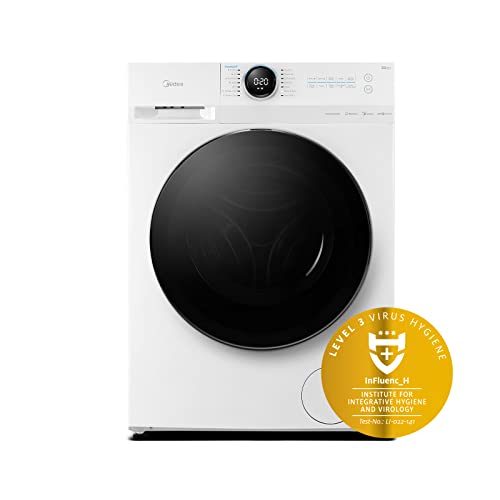
The front loader of 10kg is ideal for large loads of laundry with plenty of room for large wash cycles as well as 13 wash programs, including handwash. It's a smart machine with advanced features.
Front loaders are generally slower to clean and are not available with larger capacities, and are susceptible to mould or mildew. They are more water and energy efficient than top-loaders.
 Energy
The primary energy cost in a 10kg front loader is electricity for heating water to operating temperature, and to run the motor. These costs can be offset by less energy usage in operation when as compared to top-loaders, with less power in the agitation process and during spin, as well as less water. Some machines have an option for washing with low-water that requires significantly less water than the cotton cycle, saving on both energy and water usage.
In general, front-loading washers consume less soap than top-loaders. The tumbling action of the drum reduces foamy suds and also reduces overflows, but without affecting the cleaning. The door seals as well as the bellows on top-loaders are more prone to wear. In addition, the top-loader's mechanical agitator can cause significant wear and abrasion of clothes, since it presses clothes against one other with paddles that are constantly dropping and dragging them through the wash. The amount of abrasion is measured by the amount of fabric that is accumulated in the dryer's lint filters, as lint largely consists of loose fibers that have been absorbed by clothes during drying and washing. Many top-loaders are designed to run at slower speeds and can also have the "freshening cycle" to clean the bellows or mechanical gears regularly.
Water
Top-load washers require an agitator or impeller to push detergent and water through clothes, which creates mechanical wear and abrasion. Front-loaders on the other hand, use paddles to gently lift and drop clothes into the drum spinning during cleaning, thereby reducing wear. The rate of wear can be estimated by the amount of lint accumulated in dryer lint filtering systems, which is mostly composed of threads that have escaped from clothing during drying and 10kgs washing machine.
Because front-loaders use less water than top-loaders which means they are less prone to leakage. Front-loaders require a bellows or seal to stop water from entering through the open door. These systems do not need to maintained as frequently as top-loaders.
Additionally, front-loaders can operate with hot or cold water, and many do so without the need for an external heating source, which makes them more energy efficient than top-loaders. This efficiency can lower the cost of running the same laundry load, especially in areas where detergent, 10Kg front loader water and energy are costly.
The front loader of 10kg is ideal for large loads of laundry with plenty of room for large wash cycles as well as 13 wash programs, including handwash. It's a smart machine with advanced features.
Front loaders are generally slower to clean and are not available with larger capacities, and are susceptible to mould or mildew. They are more water and energy efficient than top-loaders.
EnergyThe primary energy cost in a 10kg front loader is electricity for heating water to operating temperature, and to run the motor. These costs can be offset by less energy usage in operation when as compared to top-loaders, with less power in the agitation process and during spin, as well as less water. Some machines have an option for washing with low-water that requires significantly less water than the cotton cycle, saving on both energy and water usage.
In general, front-loading washers consume less soap than top-loaders. The tumbling action of the drum reduces foamy suds and also reduces overflows, but without affecting the cleaning. The door seals as well as the bellows on top-loaders are more prone to wear. In addition, the top-loader's mechanical agitator can cause significant wear and abrasion of clothes, since it presses clothes against one other with paddles that are constantly dropping and dragging them through the wash. The amount of abrasion is measured by the amount of fabric that is accumulated in the dryer's lint filters, as lint largely consists of loose fibers that have been absorbed by clothes during drying and washing. Many top-loaders are designed to run at slower speeds and can also have the "freshening cycle" to clean the bellows or mechanical gears regularly.
Water
Top-load washers require an agitator or impeller to push detergent and water through clothes, which creates mechanical wear and abrasion. Front-loaders on the other hand, use paddles to gently lift and drop clothes into the drum spinning during cleaning, thereby reducing wear. The rate of wear can be estimated by the amount of lint accumulated in dryer lint filtering systems, which is mostly composed of threads that have escaped from clothing during drying and 10kgs washing machine.
Because front-loaders use less water than top-loaders which means they are less prone to leakage. Front-loaders require a bellows or seal to stop water from entering through the open door. These systems do not need to maintained as frequently as top-loaders.
Additionally, front-loaders can operate with hot or cold water, and many do so without the need for an external heating source, which makes them more energy efficient than top-loaders. This efficiency can lower the cost of running the same laundry load, especially in areas where detergent, 10Kg front loader water and energy are costly.
- 이전글How To Explain Buy Chest Freezer To Your Grandparents 24.04.30
- 다음글Is Buy Chest Freezer Uk The Best Thing There Ever Was? 24.04.30
댓글목록
등록된 댓글이 없습니다.