
근접센서 20 Tips To Help You Be More Efficient With Sash Windows Cambridge
페이지 정보

본문
How to Restore Timber Sash Windows in Cambridge
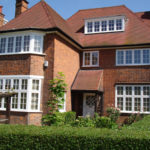 Many homes in Cambridge feature traditional sash window and the homeowners are proud of their appearance. However, sash windows may become stuck and difficult to open or close. This is typically due to moisture which can cause the wood to swell.
Traditionally, window boxes utilized chains, cotton cords or lead weights to operate. Modern windows with sash springs are concealed to avoid this issue.
1. Aesthetics
Timber sash windows, unlike PVC-u windows, which are made in imperial sizes and are modular, are able to be restored to original dimensions. This allows for the restoration of timber sash windows to comply with current energy standards and comply with conservation area regulations. It also gives windows with a more attractive appearance than Upvc Door Repair Cost (Nowwedws.Com) alternatives.
Sliding windows with sash were initially only used in large structures or public buildings, though this changed when production was less expensive and craftsmen were able to make larger frames with more glass. In the late 18th century sash windows were the dominant wooden design in most British properties. Because they were simple to open, sash windows let light into rooms without the need for curtains.
The early windows were made of plain glass however, in the 17th century the sash windows began to be more decorative. They were initially made of colored glazing bars or mullions. They were expensive at first, but as glass production became cheaper and more efficient, they were an integral feature in many homes of the period.
In the 19th century, it became possible to create large, sturdy glasses that did not require supporting bars. This allowed the frame to be made bigger and, in turn, gave a better view. This was an important innovation.
The introduction of the double-hung sliding sash is another important improvement that occurred towards the end of the I920s and the beginning of the I930s. The double-hung sliding sash is another important improvement that came into existence at the end of the I920s, and at the beginning of the I930s.
The most common kind of sash is made of slow-growing deal (pine) but oak was also used in more prestigious buildings and in some earlier examples. It is crucial to maintain the parting bead that is used to separate the sashes. This will stop rattles and draughts. The sash pulleys, idler wheels and sash rollers also are vital to the functioning of the window.
2. Energy efficiency
Sash windows replaced hinged cases as clearer and larger sheets were made available. They were made of plate glass, set in timber frames with rebates and secured with glazing sprigs and putty on both sides to create a watertight seal. This form of glazing gradually replaced the leaded light bulbs.
Sashes were introduced, which led to a greater demand for ironmongery. The basic fittings included brass pulleys (and later cast-iron) weights and stoppers for sashes, shutter hinges and handles and a variety of fasteners to secure the sashes. These were often decorated with motifs, inscriptions or designs that were engraved to identify the maker.
Sash windows are energy efficient when they are maintained regularly. If they are not maintained they could become drafty. Paint and putty can cause draughts. This can be corrected using wood-to-timber repair products that are specifically designed for this purpose.
The industry of replacement windows cambridge windows is based on the perception that older windows are old and beyond repair, while they can be easily maintained with a bit of care. These repairs can be costly and cause many disruptions in the home. Many homeowners decide to replace their windows with PVC-u from a 'one-stop shop' installation company. They can take down and replace all the windows in a home in just one day, avoiding the need to coordinate multiple tradesmen and making the whole process much quicker. These windows can be equipped with energy-saving double glazing to get more energy efficient ratings than a traditional windows made of sash. However, these double-glazed units cannot replicate the section and proportions of traditional timber sashes.
3. Security
It is possible to secure windows that are traditional without compromising their style. Ironmongery, such as mortice bolts, sash chain and sash lock could be put in place. These can be installed so that the window is still open to allow ventilation or cleaning. These are typically unobtrusive, as they are designed to fit the sash window. They can be used in conjunction with traditional sash window catch. These should be replaced with more robust versions, such as those with double screws or spring levers in order to reduce the chance of being hit with hammers.
Sash-window frames were traditionally made from slow-growing deal or, in more prestigious houses, from oak. If glazing bars have survived, they should be kept and if it is feasible, the wood of the cill should be replaced with matching wood. Many PVC-u firms offer a one-stop shop installation service. They can take down and replace windows on a complete house in just one day, without the need to involve other tradespeople.
4. Ventilation
When sash windows were first introduced in the 17th century, they allowed a significant amount of light to flood into the buildings. In the 18th century, they had been modified to allow more light could be let into the rooms. Larger glass panes were also made. The result was a much lighter appearance, and windows that had a higher degree of elegance than before.
The introduction of sash windows also necessitated a new range of ironmongery. Early pulleys were made from wood, while later Victorian ones could be made of brass or a mixture of lead and wood, and there were various types of shutter hinges and knobs. The ironmongery components should be maintained and cleaned so that the quality of their design can be appreciated.
Timber windows require regular maintenance to keep them in good condition. A lack of attention to them regularly could result in:
Sashes that do not slide effortlessly.
Holes in the frame that allow water to get in and cause decay and damage.
break down of putty, allowing water penetration that could lead to decay of the frame and cill.
In the I920s and the I930s steel casement windows gained popularity due to their durability, slim and cheap and were in line with the trend for healthy living. However, research has revealed that traditional softwood sash windows are as efficient thermally as double-glazed PVC-u windows and can be more attractive than the sleek lines of modern casement windows.
The window replacement windows cambridge industry has done a great job convincing homeowners that their old windows were rotten drafty, noisy and beyond repair. However, many old windows made of wood are in good shape and with minor repairs can easily be maintained for years to come.
5. Maintenance
A traditional sash window needs regular maintenance and inspection. If you fail to maintain your sash window, it could result in the sash cords breaking, and the glazing bars wearing out excessively. It could also cause paint and putty to deteriorate. The removal of sashes could also result in structural movements within the frame, causing the sash not to close correctly. The sash may also become stuck in its open position, which allows water and draughts to enter the building.
Moisture penetration is the most common cause of damage to timber windows. This can be prevented by regular repairs as well as thorough painting, and then removing the source of dampness. The paint can be removed to reveal the soft, decaying wood. The sections of timber that are rotten should be carefully removed and the affected area should be scarfed or glued together with replacements of the exact nature as the rest of the timber. This method of repair maximises the amount of original fabric retained and is one of the least invasive ways of treating decay of timber to timber.
A resin-based wood condenser is a viable alternative to traditional staining or sanding. This is brushed onto the surface of the wood to stabilise and protect it from further damage. It is particularly beneficial for the treatment of pulleys and sash cords which can help prevent the breakage.
It is essential to preserve and not replace any historic ironmongery, like the sash latches and stays. These items can be very difficult to replace without compromising the the original design. It is also advised that modern fittings made of aluminium like sashlifts and chainstays, be avoided as they can cause deterioration and corrosion of timber frames and sashes.
Many homes in Cambridge feature traditional sash window and the homeowners are proud of their appearance. However, sash windows may become stuck and difficult to open or close. This is typically due to moisture which can cause the wood to swell.Traditionally, window boxes utilized chains, cotton cords or lead weights to operate. Modern windows with sash springs are concealed to avoid this issue.
1. Aesthetics
Timber sash windows, unlike PVC-u windows, which are made in imperial sizes and are modular, are able to be restored to original dimensions. This allows for the restoration of timber sash windows to comply with current energy standards and comply with conservation area regulations. It also gives windows with a more attractive appearance than Upvc Door Repair Cost (Nowwedws.Com) alternatives.
Sliding windows with sash were initially only used in large structures or public buildings, though this changed when production was less expensive and craftsmen were able to make larger frames with more glass. In the late 18th century sash windows were the dominant wooden design in most British properties. Because they were simple to open, sash windows let light into rooms without the need for curtains.
The early windows were made of plain glass however, in the 17th century the sash windows began to be more decorative. They were initially made of colored glazing bars or mullions. They were expensive at first, but as glass production became cheaper and more efficient, they were an integral feature in many homes of the period.
In the 19th century, it became possible to create large, sturdy glasses that did not require supporting bars. This allowed the frame to be made bigger and, in turn, gave a better view. This was an important innovation.
The introduction of the double-hung sliding sash is another important improvement that occurred towards the end of the I920s and the beginning of the I930s. The double-hung sliding sash is another important improvement that came into existence at the end of the I920s, and at the beginning of the I930s.
The most common kind of sash is made of slow-growing deal (pine) but oak was also used in more prestigious buildings and in some earlier examples. It is crucial to maintain the parting bead that is used to separate the sashes. This will stop rattles and draughts. The sash pulleys, idler wheels and sash rollers also are vital to the functioning of the window.
2. Energy efficiency
Sash windows replaced hinged cases as clearer and larger sheets were made available. They were made of plate glass, set in timber frames with rebates and secured with glazing sprigs and putty on both sides to create a watertight seal. This form of glazing gradually replaced the leaded light bulbs.
Sashes were introduced, which led to a greater demand for ironmongery. The basic fittings included brass pulleys (and later cast-iron) weights and stoppers for sashes, shutter hinges and handles and a variety of fasteners to secure the sashes. These were often decorated with motifs, inscriptions or designs that were engraved to identify the maker.
Sash windows are energy efficient when they are maintained regularly. If they are not maintained they could become drafty. Paint and putty can cause draughts. This can be corrected using wood-to-timber repair products that are specifically designed for this purpose.
The industry of replacement windows cambridge windows is based on the perception that older windows are old and beyond repair, while they can be easily maintained with a bit of care. These repairs can be costly and cause many disruptions in the home. Many homeowners decide to replace their windows with PVC-u from a 'one-stop shop' installation company. They can take down and replace all the windows in a home in just one day, avoiding the need to coordinate multiple tradesmen and making the whole process much quicker. These windows can be equipped with energy-saving double glazing to get more energy efficient ratings than a traditional windows made of sash. However, these double-glazed units cannot replicate the section and proportions of traditional timber sashes.
3. Security
It is possible to secure windows that are traditional without compromising their style. Ironmongery, such as mortice bolts, sash chain and sash lock could be put in place. These can be installed so that the window is still open to allow ventilation or cleaning. These are typically unobtrusive, as they are designed to fit the sash window. They can be used in conjunction with traditional sash window catch. These should be replaced with more robust versions, such as those with double screws or spring levers in order to reduce the chance of being hit with hammers.
Sash-window frames were traditionally made from slow-growing deal or, in more prestigious houses, from oak. If glazing bars have survived, they should be kept and if it is feasible, the wood of the cill should be replaced with matching wood. Many PVC-u firms offer a one-stop shop installation service. They can take down and replace windows on a complete house in just one day, without the need to involve other tradespeople.
4. Ventilation
When sash windows were first introduced in the 17th century, they allowed a significant amount of light to flood into the buildings. In the 18th century, they had been modified to allow more light could be let into the rooms. Larger glass panes were also made. The result was a much lighter appearance, and windows that had a higher degree of elegance than before.
The introduction of sash windows also necessitated a new range of ironmongery. Early pulleys were made from wood, while later Victorian ones could be made of brass or a mixture of lead and wood, and there were various types of shutter hinges and knobs. The ironmongery components should be maintained and cleaned so that the quality of their design can be appreciated.
Timber windows require regular maintenance to keep them in good condition. A lack of attention to them regularly could result in:
Sashes that do not slide effortlessly.
Holes in the frame that allow water to get in and cause decay and damage.
break down of putty, allowing water penetration that could lead to decay of the frame and cill.
In the I920s and the I930s steel casement windows gained popularity due to their durability, slim and cheap and were in line with the trend for healthy living. However, research has revealed that traditional softwood sash windows are as efficient thermally as double-glazed PVC-u windows and can be more attractive than the sleek lines of modern casement windows.
The window replacement windows cambridge industry has done a great job convincing homeowners that their old windows were rotten drafty, noisy and beyond repair. However, many old windows made of wood are in good shape and with minor repairs can easily be maintained for years to come.
5. Maintenance
A traditional sash window needs regular maintenance and inspection. If you fail to maintain your sash window, it could result in the sash cords breaking, and the glazing bars wearing out excessively. It could also cause paint and putty to deteriorate. The removal of sashes could also result in structural movements within the frame, causing the sash not to close correctly. The sash may also become stuck in its open position, which allows water and draughts to enter the building.
Moisture penetration is the most common cause of damage to timber windows. This can be prevented by regular repairs as well as thorough painting, and then removing the source of dampness. The paint can be removed to reveal the soft, decaying wood. The sections of timber that are rotten should be carefully removed and the affected area should be scarfed or glued together with replacements of the exact nature as the rest of the timber. This method of repair maximises the amount of original fabric retained and is one of the least invasive ways of treating decay of timber to timber.
A resin-based wood condenser is a viable alternative to traditional staining or sanding. This is brushed onto the surface of the wood to stabilise and protect it from further damage. It is particularly beneficial for the treatment of pulleys and sash cords which can help prevent the breakage.
It is essential to preserve and not replace any historic ironmongery, like the sash latches and stays. These items can be very difficult to replace without compromising the the original design. It is also advised that modern fittings made of aluminium like sashlifts and chainstays, be avoided as they can cause deterioration and corrosion of timber frames and sashes.
- 이전글The 10 Most Scariest Things About Private Psychiatrist Liverpool Cost 24.06.21
- 다음글A Comprehensive Guide To Malpractice Law. Ultimate Guide To Malpractice Law 24.06.21
댓글목록
등록된 댓글이 없습니다.